
JEAN LOUIS:
HOLLYWOOD’S BOMBSHELL DESIGNER
BY ROGER PADILHA & MAURICIO PADILHA

The untold story of the visionary designer who redefined Hollywood glamour, elevating costume design into a true art form.
Jean Louis’s creations illuminated more than 180 films across three decades and resulted in some of the most remembered garments during Hollywood’s Golden Age—from Rita Hayworth’s smoldering satin column dress in Gilda to Marilyn Monroe’s iconic nude illusion gown worn to sing “Happy Birthday” to President Kennedy. Jean Louis: Hollywood’s Bombshell Designer features dozens of film stills, fashion sketches, and movie posters illustrating the career of an artist who helped define the femme fatales, showgirls, and ingénues of American cinema’s most famous films.
Arriving at a timely moment amid a renewed resurgence surrounding Marilyn Monroe’s legacy as her centennial approaches in 2026—an anniversary sure to heighten fascination with Old Hollywood style and the ever-present influence of Jean Louis on the modern red carpet- Nicole Kidman, Margot Robbie, Beyoncé, Sydney Sweeney, and Rihanna have all channeled Jean Louis’ bombshell styles recently and Kim Kardashian made headlines when she wore Monroe’s Jean Louis gown to the Met Gala.
A tribute to craftsmanship, beauty, and style, the book stands as a glamorous testament to the enduring brilliance of Jean Louis and the timeless spell of Hollywood’s most radiant era.
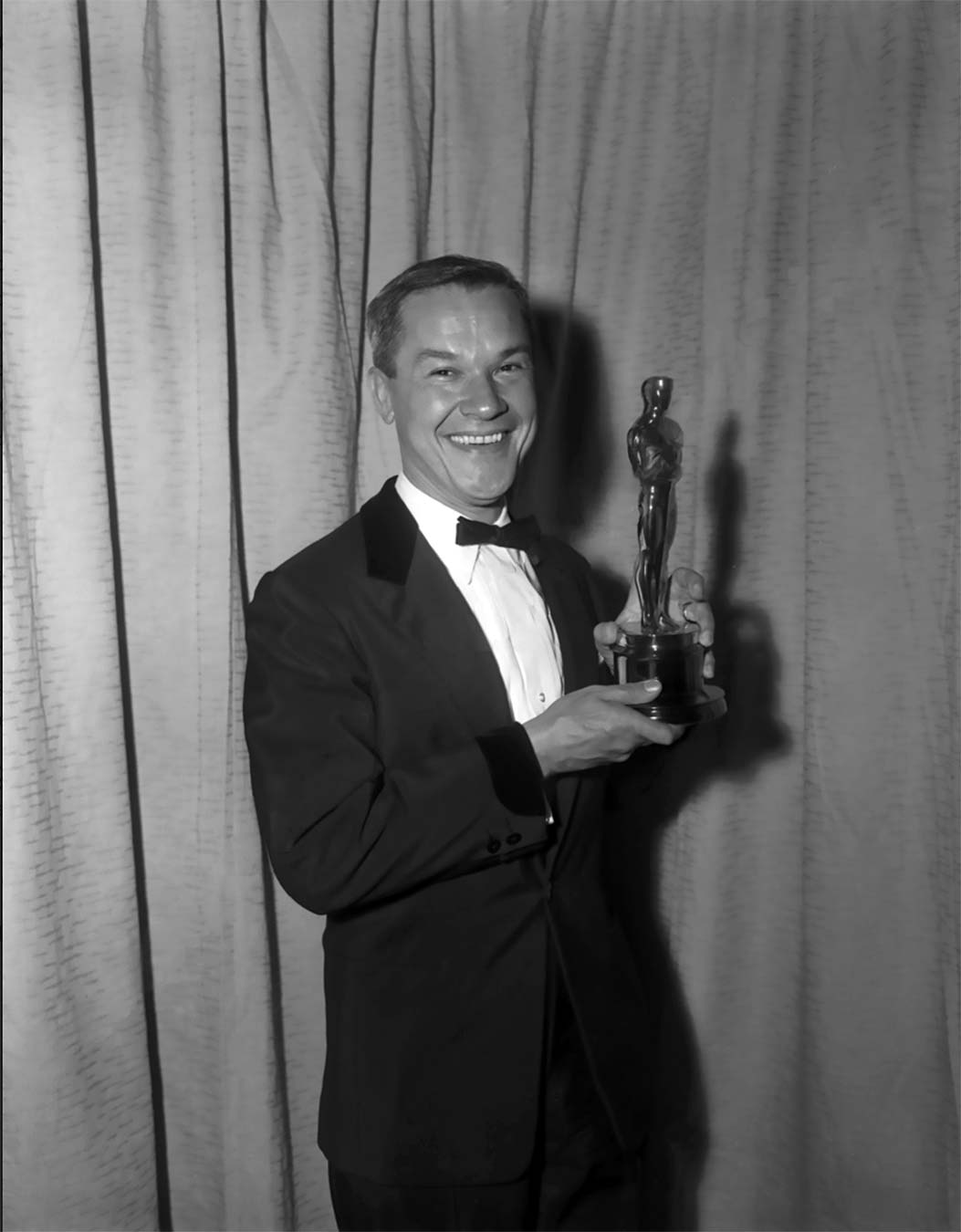
Costume designer Jean Louis.
Before starting on Jean Louis: Hollywood’s Bombshell Designer, how familiar were you with Jean Louis and his work? Would you say it was primarily through his iconic gown for Marilyn Monroe’s “Happy Birthday, Mr. President” performance that made you realize this would be an intriguing story?
The first time we were introduced to Jean Louis was through Marilyn’s Happy Birthday performance, and then we started to do some research on him, but there wasn’t too much available except that he had done the Gilda dress for Rita Hayworth…this was before the internet, and unless there was a book about the costume designer in the public library, there wasn’t much on how you could research their work.
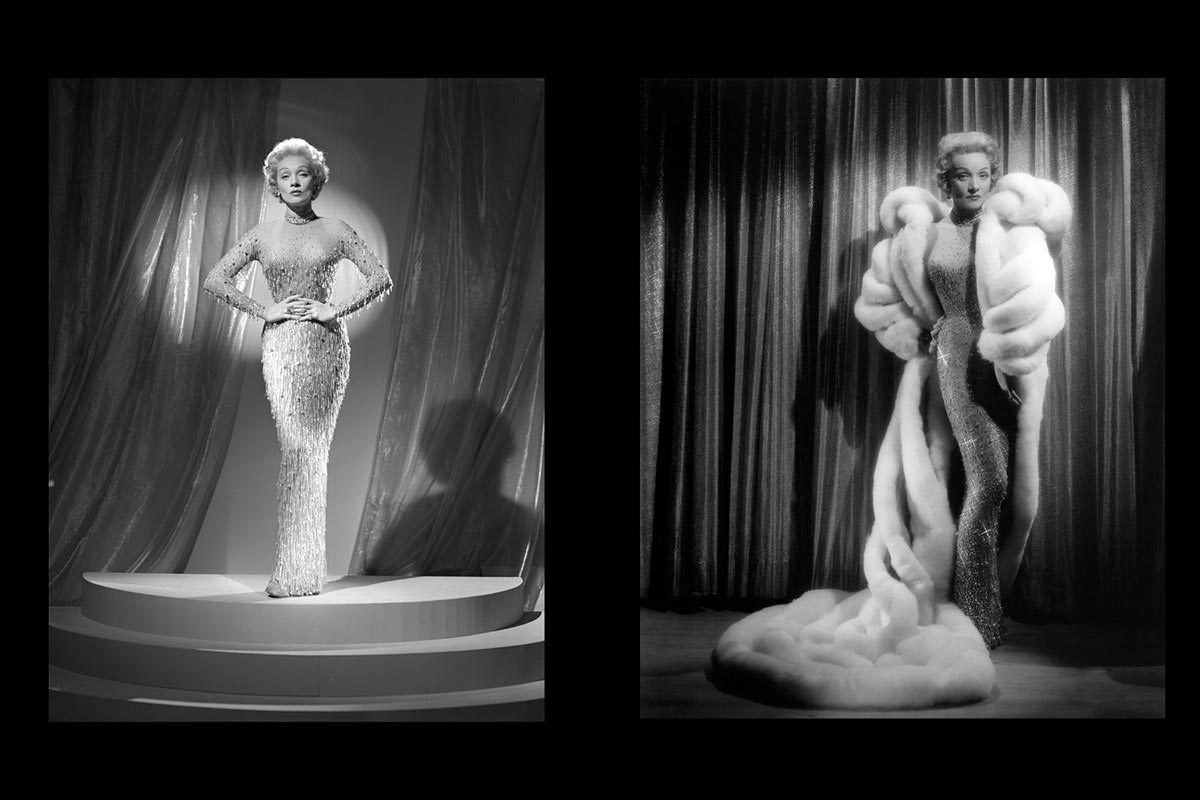
Marlene Dietrich.
Jean Louis dressed some of the most acclaimed actresses on screen, creating images of glamour that are part of people’s visual memory. Yet his name is unfamiliar, as opposed to the much-celebrated costume designer Edith Head. Could you take us back to the world in which Jean Louis emerged—his journey to Hollywood, as well as to what made him so attuned to the women he dressed?
Jean Louis was born and raised in Paris; he served in the French army for a year and studied fashion in Paris, which eventually led him to work for Paris-based couture houses in the 1930s. One day he was hit by a taxi, and when he received the settlement, he decided to come to New York City for a few months, but he loved it so much he never left. Jean got a job at Hattie Carnegie, who was a famous New York fashion entrepreneur and ran her fashion house; many of the great American designers like Norman Norrell, James Galanos and Claire McCardell worked there. At Carnegie, Jean designed what became known as the Hattie Carnegie suit, which was Hattie’s most famous achievement and worn by American women as a staple in their wardrobe through the entire 1940s. Eventually, Columbia studio head’s wife, Mrs. Harry Cohn ordered a few of Jean Louis’s gowns at Carnegie and asked Harry to hire him and bring Jean to Hollywood.
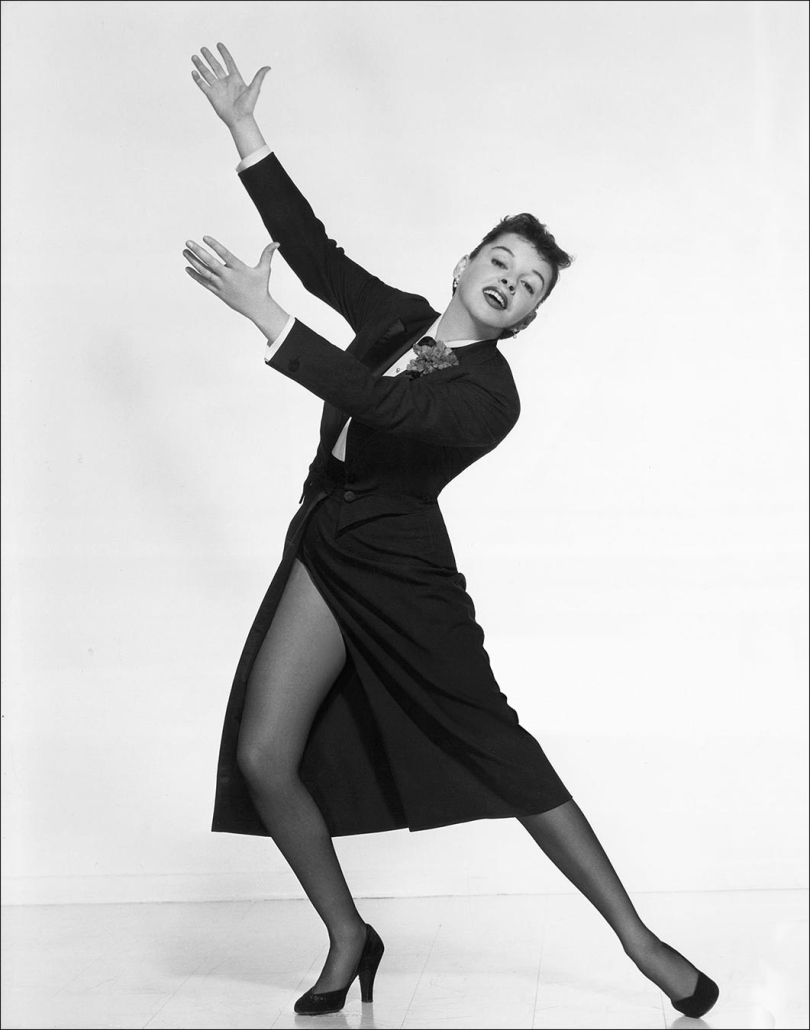
Judy Garland.
We read that you actually watched all 188 films that Jean Louis designed costumes for. That is a massive undertaking. How long did it take you to get through that entire filmography?
We did watch all 188 movies, but it took over 2 years, not in one night lol. The movies were very inspiring and showed us how Jean interpreted each character’s personality individually through his costume designs.
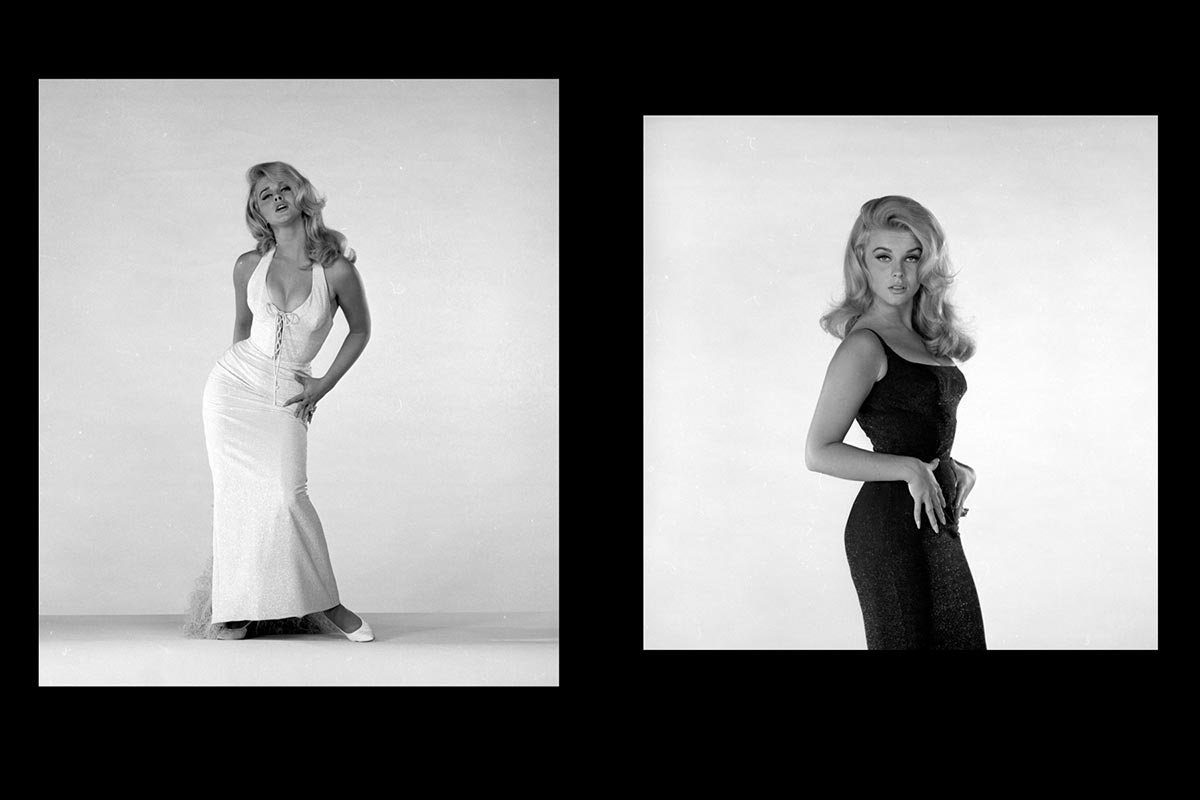
Ann Margaret.
After immersing yourselves in so much of his onscreen work, how did seeing those garments in motion change or deepen your understanding of Jean Louis as a designer?
Jean’s clothing in motion was fantastic; they are very simple but constructed in a genius way. When Joan Crawford comes down the stairs in Queen Bee or Rita Hayworth enters the casino in Gilda, it was like there was not one other person in the room just them and all eyes were on them.
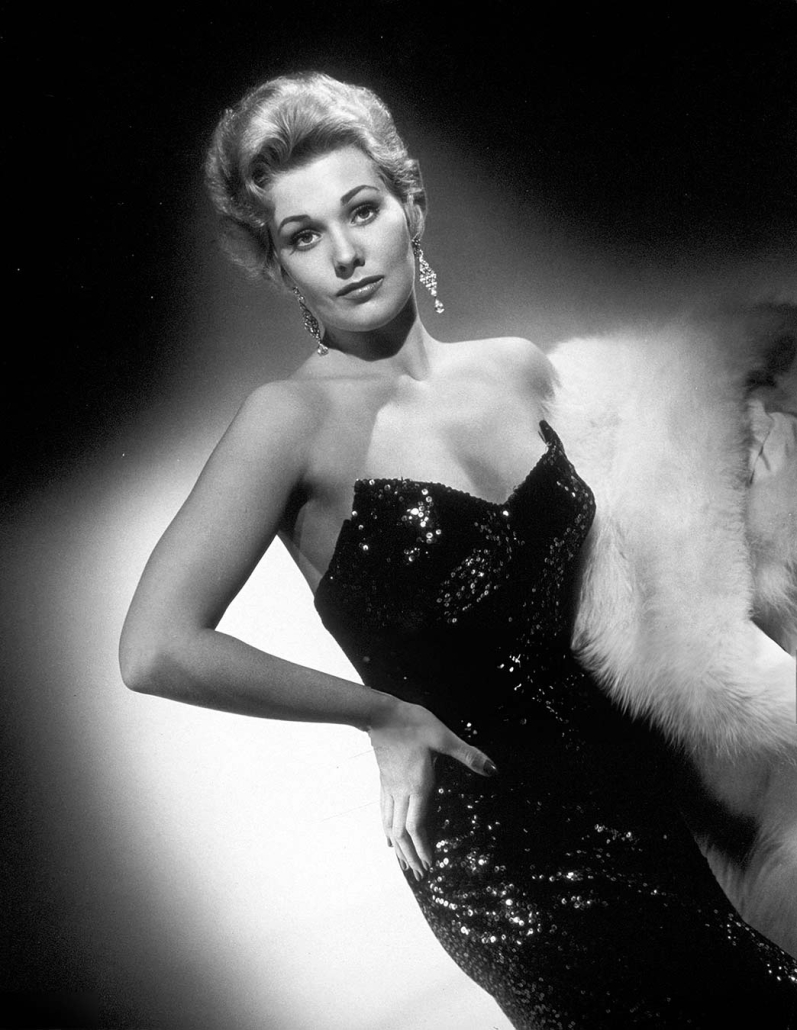
Kim Novak.
You were granted access to Jean Louis’s personal and professional archives for this book. What were some of the most unexpected discoveries that you found, were there any lesser-known designs that really captivated you?
Jean’s archives were amazing to look at. We would see sketches of dresses that were super famous, but these sketches were of those dresses when he was sketching different versions, so it allowed us to see the process from start to finish of the dress design.
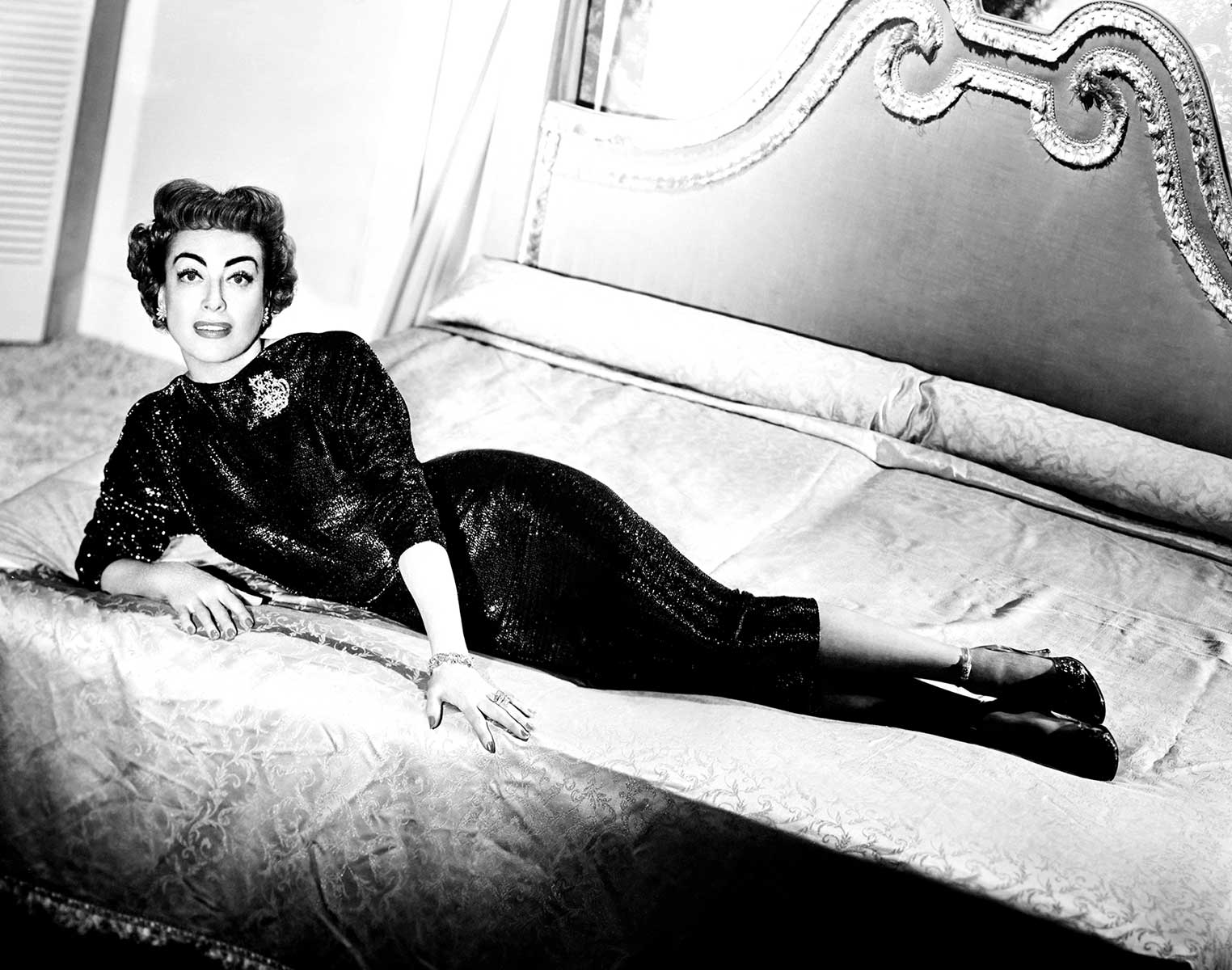
Joan Crawford.
As mentioned before, the most iconic Jean Louis creation of all time was Marilyn Monroe’s ‘Happy Birthday, Mr. President’ gown. It’s become entirely inseparable from her image. What can you tell us about the creation of this dress, and how did Jean Louis manage to engineer something of this nature?
Jean went to Marilyn’s home in Brentwood at her request, and she dropped her robe and stood in front of him standing there completely nude. She had lost a lot of weight in 1961, and she said to him, “This is what you are working with.” So, when he went to design the nude illusion gown, I believe he knew how spectacular her body was and wanted her body to be the star.
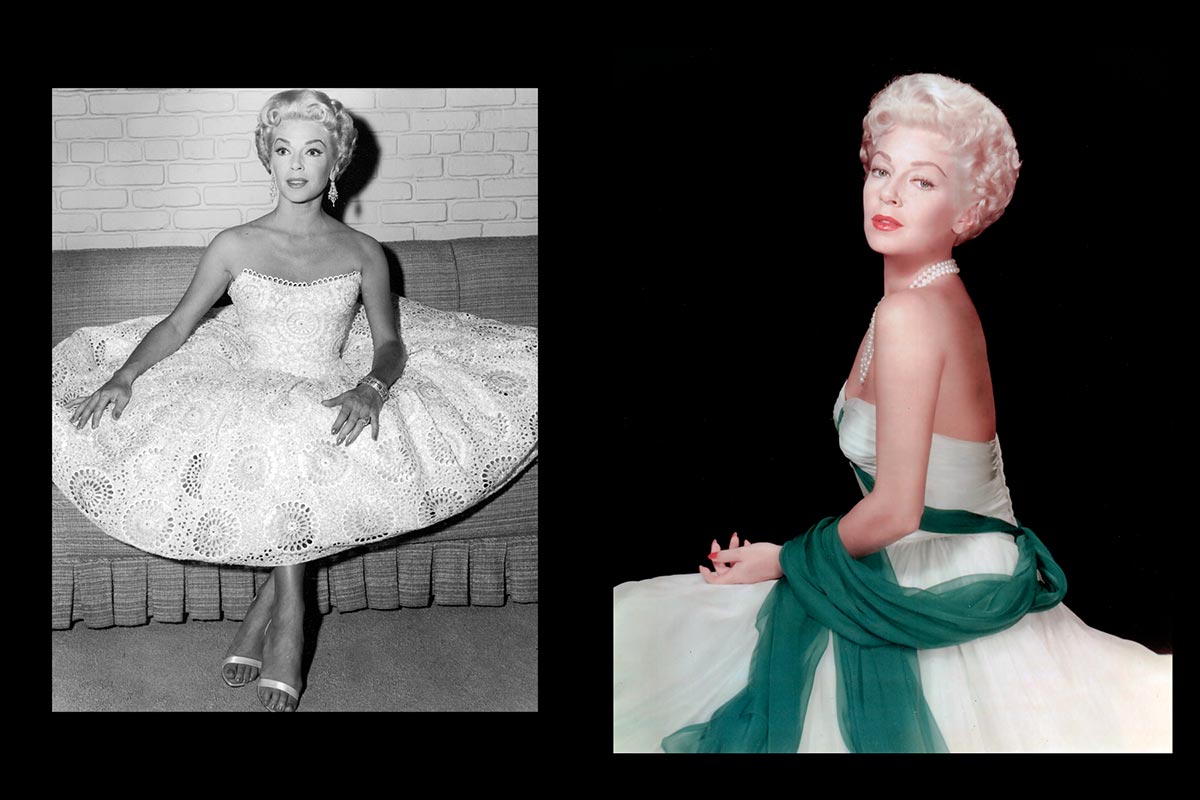
Lana Turner.
Did your research grant you firsthand access to the original garment? And if so, what was the experience of standing before the physical dress like? Did it reveal any subtle details of craftsmanship that are lost in film and photography?
We did not work with any garments, but we did get many images from the Berlin Museum that houses the Marlene Dietrich collection, and they sent close-up images of the fabric and beading so we understood the meticulous work that went into each gown.
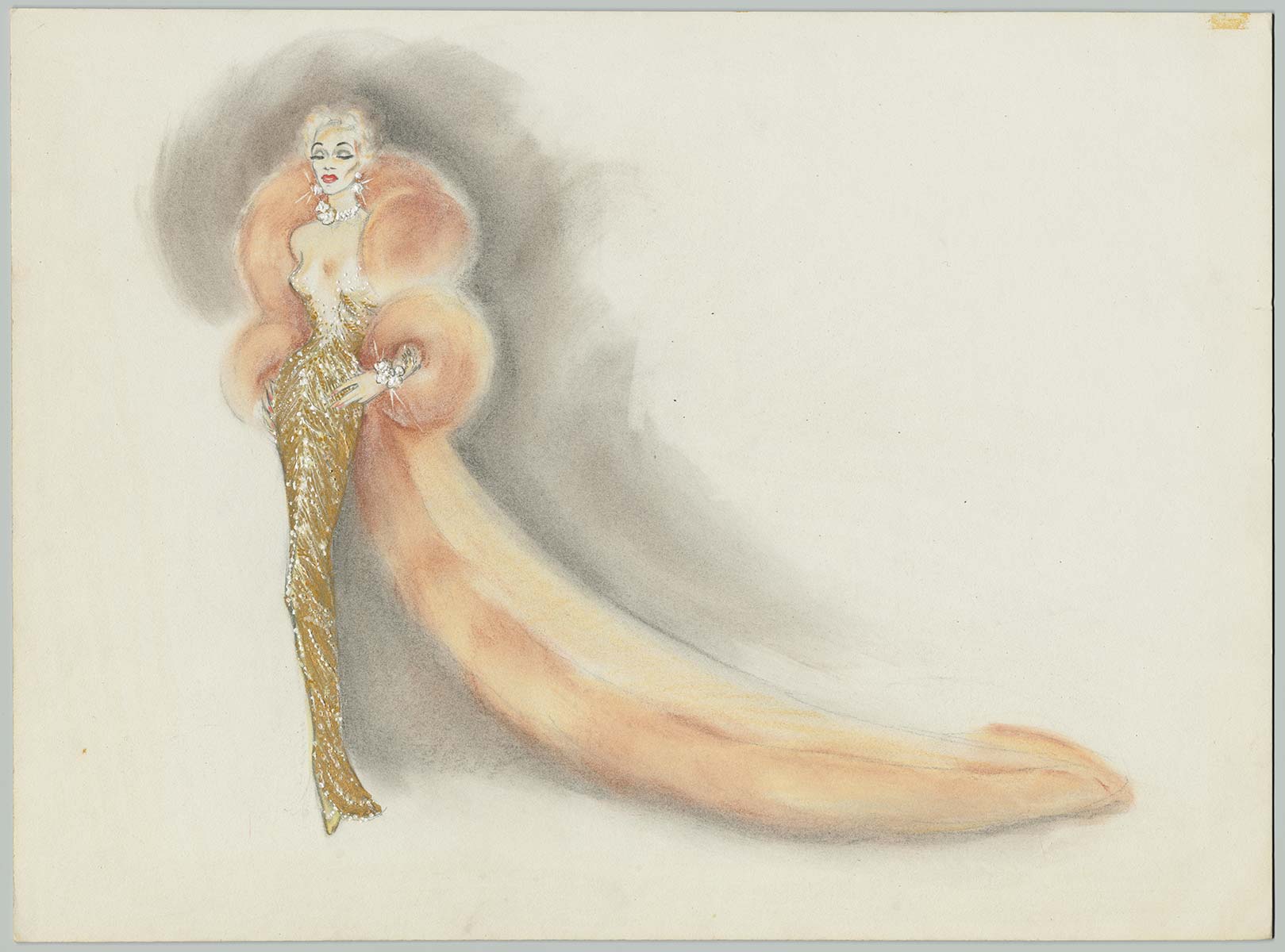
Marlene Dietrich sketch.
Let’s talk about the controversy surrounding Kim Kardashian wearing the gown to the Met Gala in 2022. The decision to take such a fragile and historically significant garment out of an archive and put it on another person’s body was met with a lot of criticism, with claims that the dress had been damaged. What are your personal feelings about the decision? And as people who have spent so much time researching and understanding Jean Louis’s work, did you feel that the significance of the gown was being honored—or did it cross a line?
It is very upsetting to many Marilyn fans, but it was instrumental in putting Jean Louis’s name out in the zeitgeist again. There was a 2-page Vogue article and Jean got credited for the dress and mentioned in 1000s of articles that came out after, so even though it was not the right thing for Ripley’s to do to conserve the dress, I feel that it brought Jean Louis’ name to the spotlight.
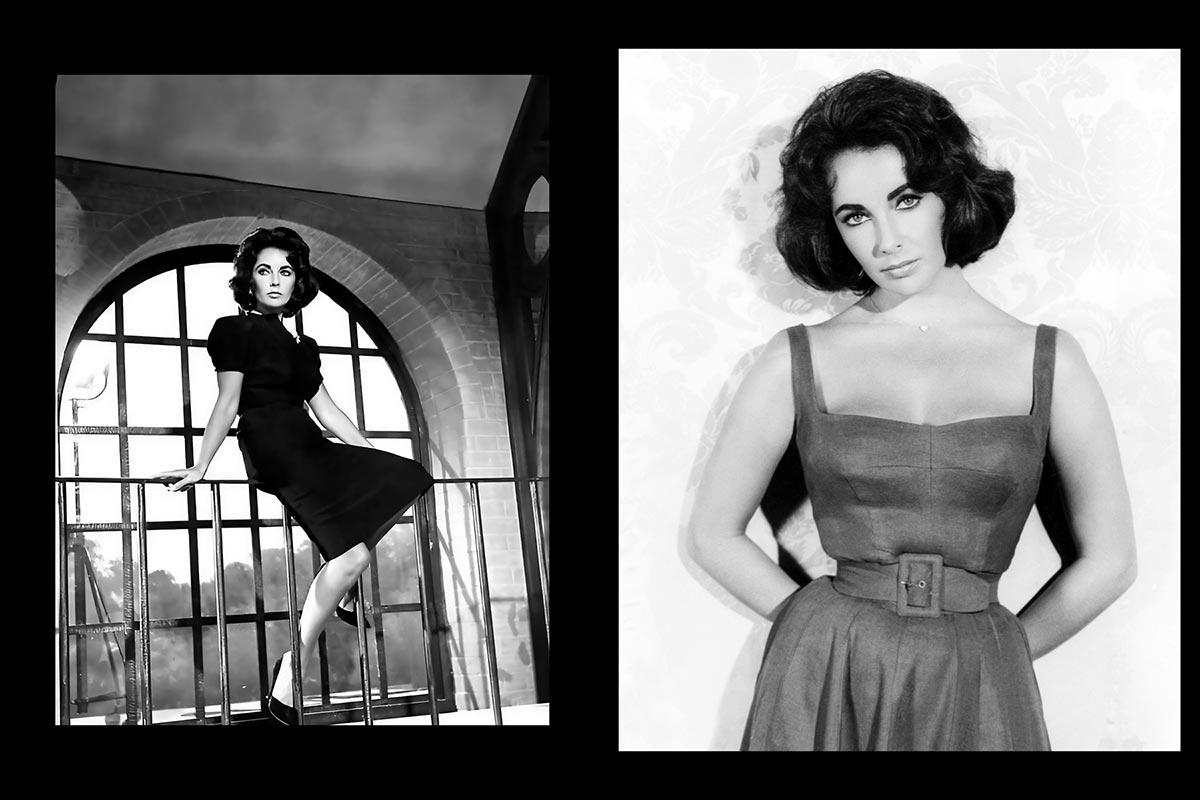
Elizabeth Taylor.
Legendary actress Kim Novak wrote your foreword for the book. It’s stated that you wrote to her over and over again before finally getting through to her. What kept you pursuing her, and what was it like to suddenly find yourselves on the phone with her?
Kim Novak was the ultimate Jean Louis girl; he dressed her in her very first movie and many more throughout her career. As well they were great friends, so she had the knowledge of his work and his personality, which was very important for this book. We pursued her for many months, but when she finally read one of our 40 emails, she called us and gave us an amazing interview. We were on the phone with Kim for over 2 hours. She gave us real insight into who he was as a person and what he was like professionally.
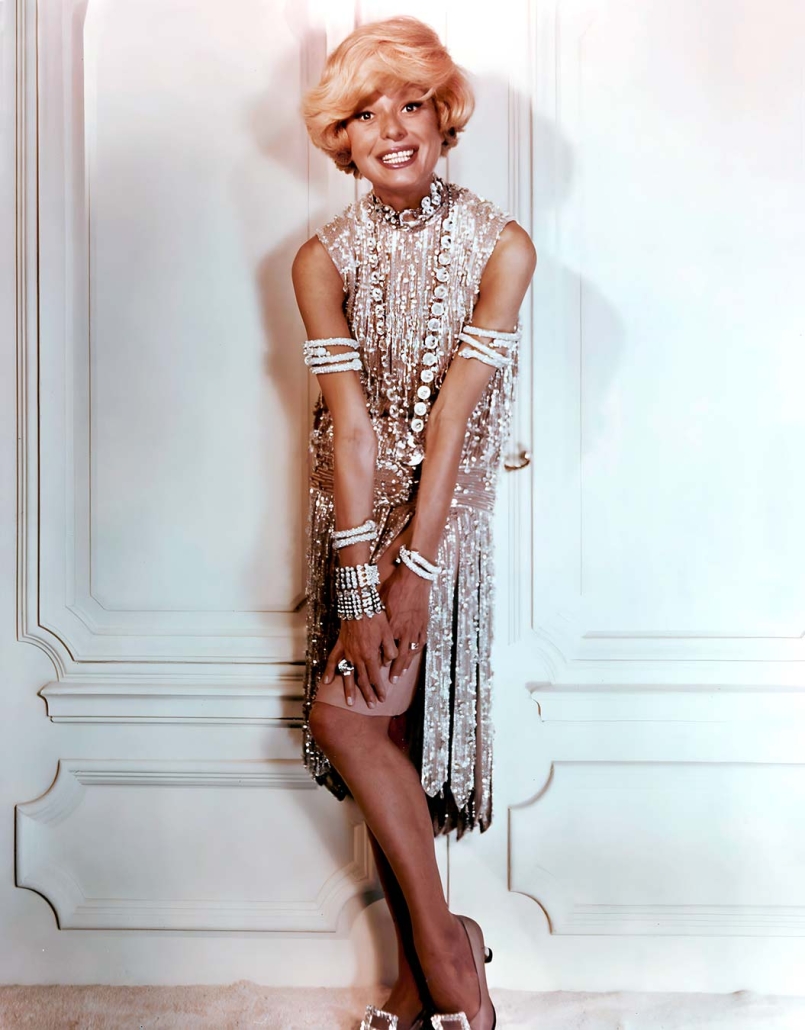
Carol Channing.
You’ve dedicated so much of your career to documenting somewhat “forgotten” fashion icons like designer Stephen Sprouse and illustrator Antonio Lopez. What keeps drawing you back to these larger-than-life creatives?
We have always done books on artists that both of us love, and artists that we feel have slipped through the cracks when it came to getting the recognition they deserved. As they say, it’s a labor of Love!
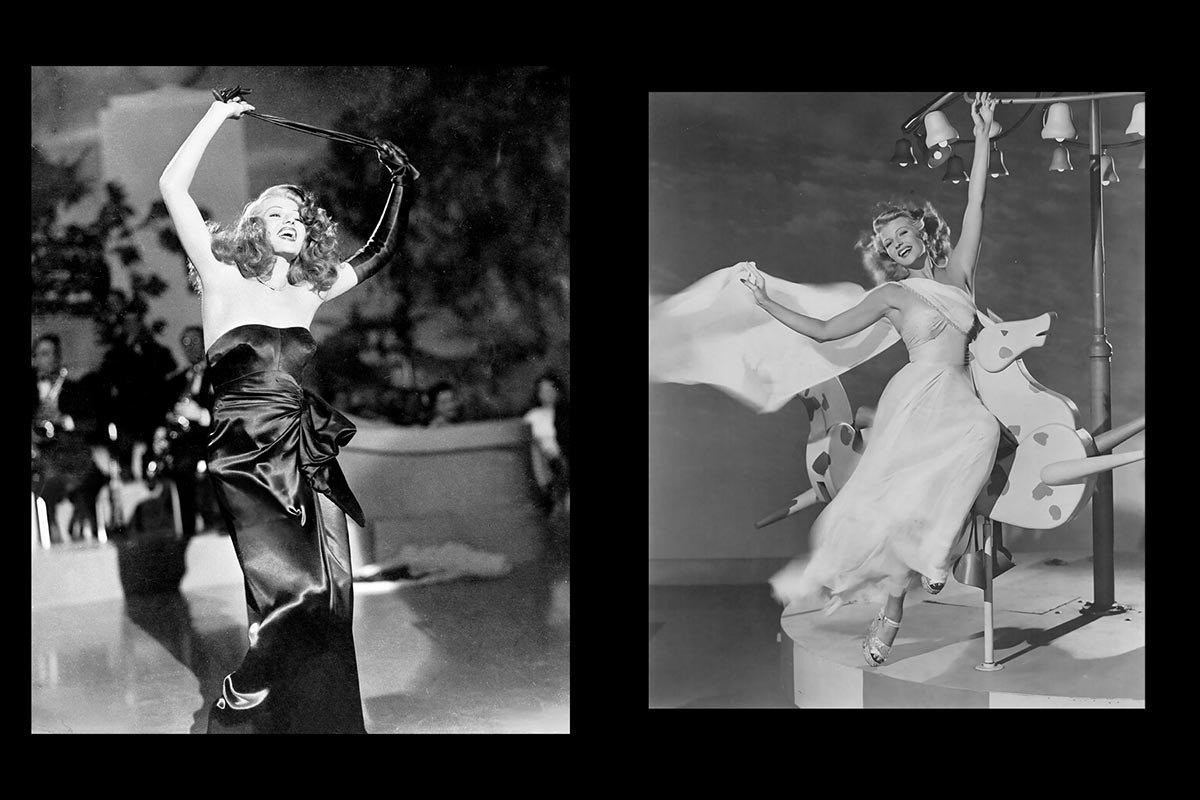
Rita Hayworth.
Do you have a favorite book from your growing collection—the one you look back on most fondly and remember the most?
The Stephen Sprouse Book will always be our favorite, not only because of our love for Stephen’s work but because we learned so much in the making of that book as it was our first.
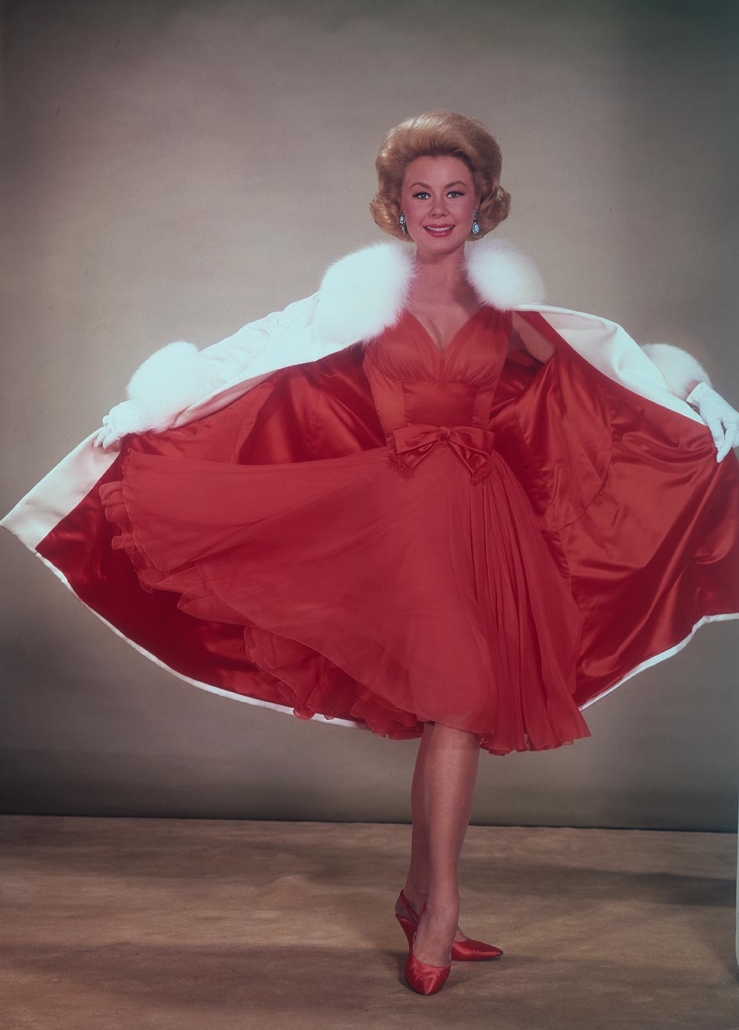
Mitzi Gaynor.
On average, from the first archival dive to the book finally hitting shelves, how long would you say that a book project of this nature takes?
Honestly, the time of each book has varied. The Sprouse book was done in 7 months, but we had been lifelong collectors of his work, both clothing and paintings, so we knew everything that needed to be in the book. Others took more time, as we had to learn about their entire careers, but I would say typically it takes a year and a half for us to complete a monograph of an artist’s career.
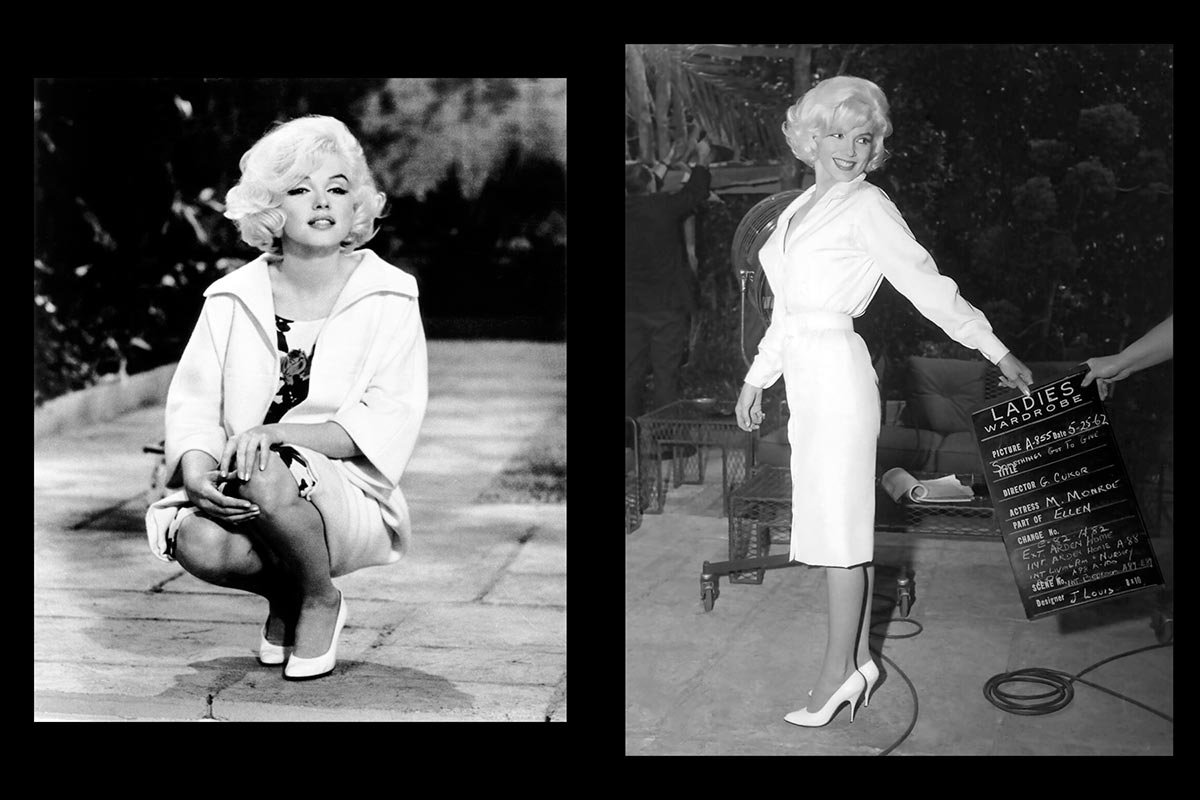
Marilyn Monroe.
With this latest publication behind you, what’s next on the horizon for both of you?
A much-needed break before the next!!!
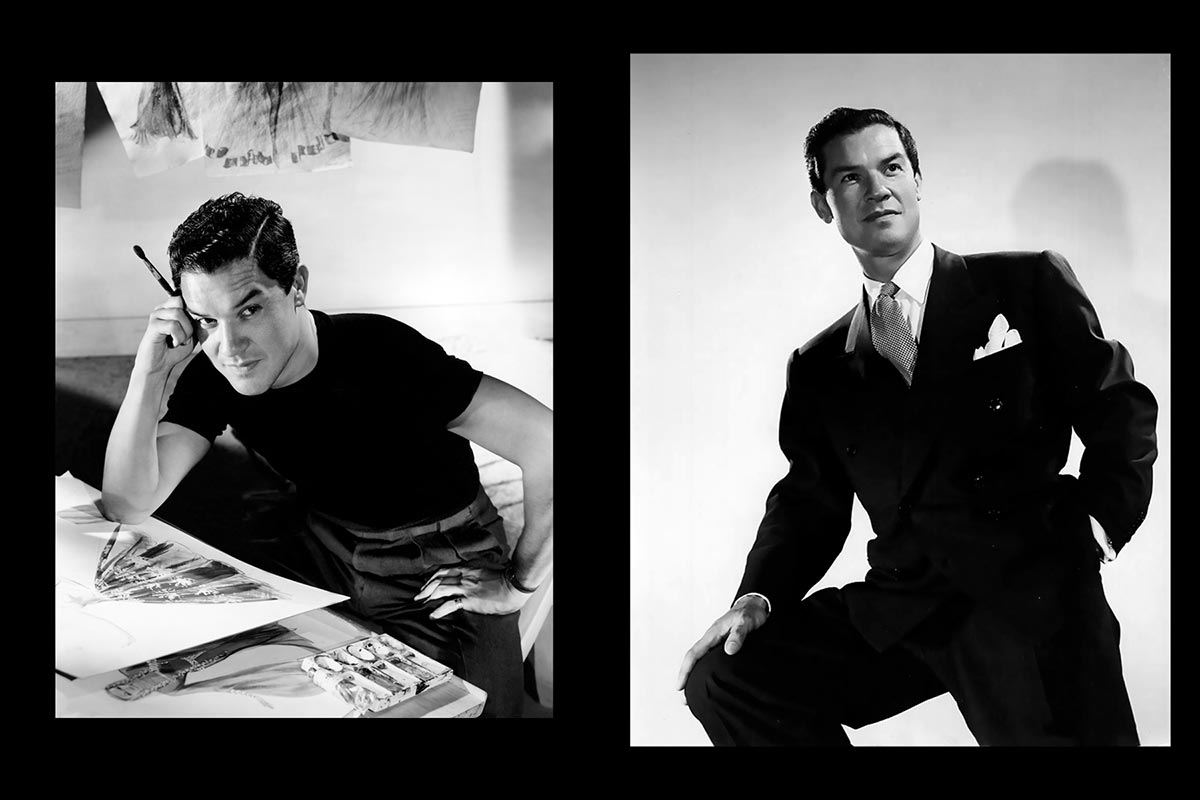
Costume designer Jean Louis.